Collection: MENA Collection
The Middle Eastern Collection — Weaving the Desert’s Memory
From the royal courts of Persia to the nomadic tents of the Levant, the carpets of the Middle East hold centuries of movement, devotion, and design. They were maps before maps — stories traced not in ink but in thread, recording the flow of trade routes, migrations, and the spiritual life of a region that has always found expression through pattern.
In the hands of Persian masters, medallions and floral arabesques blossomed into fields of silk and light, crafted for kings and scholars alike. In the Anatolian highlands and among Bedouin and Caucasian tribes, geometry ruled — bold diamonds, totems, and prayer niches woven with the rhythm of migration. Each knot carried meaning: protection, blessing, continuity. Together, they formed a visual language shared across deserts and dynasties.
Today, these designs endure not as relics, but as living symbols of artistry and faith. The Middle Eastern Collection brings them forward — preserving the grace of courtly design, the strength of tribal craftsmanship, and the spiritual quiet of the loom. Every piece tells a story older than any empire, yet endlessly new beneath your feet.
Indigenous History: The rugmaking traditions of the Middle East and North Africa trace back over two millennia, flourishing along caravan routes that connected Persia, Anatolia, the Levant, and North Africa. Wool from mountain sheep, camel hair from desert nomads, and silk from distant trade hubs merged to create textiles both practical and divine.
In Persia, Safavid-era workshops turned weaving into high art, blending Islamic geometry with botanical imagination. In contrast, tribal groups like the Qashqai, Turkmen, and Kurdish wove for survival and ceremony, encoding protection symbols and ancestral patterns into everyday rugs. Each design served as a portable history — a home one could roll up and carry across the desert.
Colonial contact and industrial trade challenged these traditions, yet weaving persisted as a quiet act of continuity — a bridge between sacred geometry and daily life. The Middle Eastern Collection honors this lineage: the weavers who turned thread into theology, and pattern into memory.
How It’s Made
Materials: Hand-spun wool, often blended with silk for luxurious highlights and fine luster.
Knot Types: Persian (asymmetrical) knots for softness and detail; Turkish (symmetrical) knots for strength and structure; flatweave kilims for lightweight versatility.
Motifs: Central medallions, floral arabesques, boteh (paisley), prayer niches, tribal emblems — each carrying distinct regional and symbolic meaning.
Dyes: Natural pigments like madder, indigo, and pomegranate rind create warm reds, deep blues, and muted golds that mellow beautifully over time.
Durability: Varies by type — fine Persian and silk works are prized for decorative elegance; tribal and kilim pieces offer exceptional resilience for everyday use.
Provenance: Many designs draw on antique patterns still woven today by master artisans, ensuring that heritage techniques remain alive in modern homes.
-
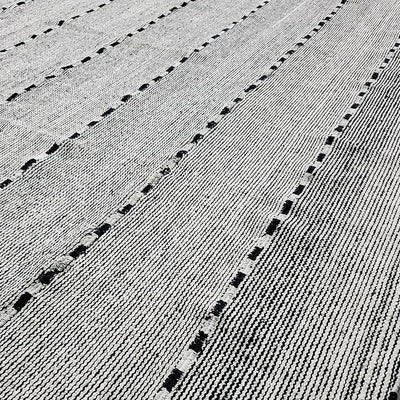
Flat Weave Cotton Kilim Carpet
Regular price $120.00 USDRegular price -
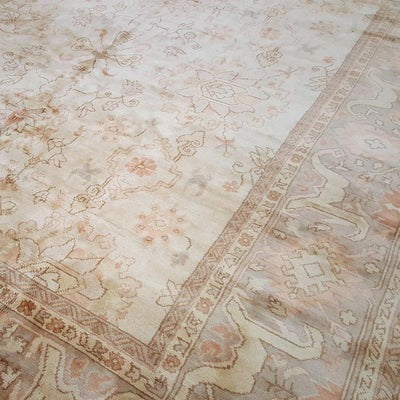
Anatolian Oushak Design Wool Carpet
Regular price $340.00 USDRegular price -
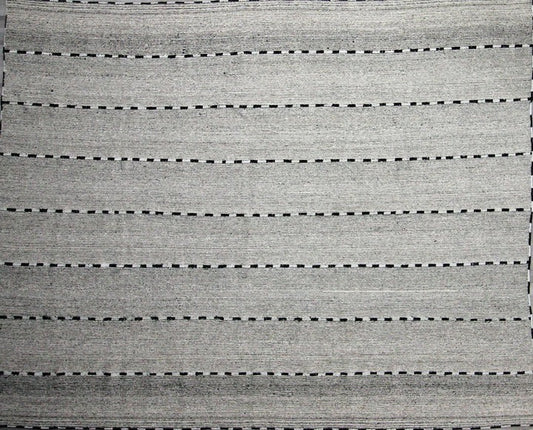
Flat Weave Cotton Kilim Carpet
Regular price $200.00 USDRegular price -
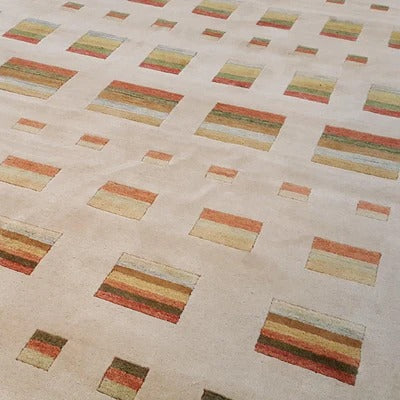
Mid-Century Gabbeh Design Wool Carpet
Regular price $345.00 USDRegular price -
KARABAGH SHOUSHA 5840
Regular price $240.00 USDRegular price